
Read Adams County Property Tax Records
The Assessor values real and personal property. It then certifies those figures to the Auditor. The Treasurer handles the tax lists, rates, charges, and payment details. For proof of ownership, the recorded deed still carries more weight. Attach the office, tax year, and update date to every figure.
| Field | What It Shows | Where |
|---|---|---|
| Assessed value | Value used in Indiana tax administration | Assessor and Auditor |
| Tax year and district | Year and local taxing geography | Auditor and Treasurer |
| Deductions | Relief applied under current rules | Assessor and Auditor |
| Bill and status | Charges, payments, and delinquency display | Treasurer |
| Sale support | Date, price, validity, and value components | GIS Sales table |
Indiana true tax value is market value-in-use. The statewide assessment target sits at 100 percent. An assessed figure is not a private appraisal or guaranteed sale price, since trending, age, condition, grade, deductions, and the district rate all shape the final bill.
Search Adams County Tax Lists
The Treasurer tax list accepts Property/Parcel Number, Name, and Property Address as entry points, and it suggests trying the last name because excess input may overrestrict results. For parcels split or combined in the prior two years, it recommends a last-name search to catch every bill. The Auditor version adds district and tax-year controls.
| Field | Format | Use |
|---|---|---|
| Parcel number | Text | Match the exact tax unit. |
| Name | Last name suggested | Find related bills. |
| Property address | City may be included | Locate a known situs. |
| District and year | Auditor controls | Separate taxing periods. |
The display carries a "not for official use" warning. Request an official statement whenever proof is required, and note the update date shown.
Adams County Assessment Timing
The Adams County Assessor uses January 1 as the annual assessment date and inspects parcels periodically under state rules. Indiana also applies annual trending. A value can predate a recent deed. That gap can trip up a careless comparison across offices. DLGF materials describe a four-year inspection cycle running 2022 through 2025, with a new cycle beginning in 2026. That schedule does not treat every parcel alike.
Look Up an Adams County Tax Bill
Begin with the parcel number. It is more stable than a mailing name. Keep the punctuation and leading zeroes exactly as they appear. When only an address is known, find the parcel through GIS first, then run the tax list, repeating by last name if a split or combination may have created several bills.
- Search the Treasurer list by complete parcel number.
- Confirm billed name, address, district, and tax year.
- Review charges and status without treating the web row as certified.
- Compare deductions and assessment fields for that year.
- Check the current county notice if tax sale is at issue.
- Assessed value
- The value assigned under Indiana assessment rules.
- Tax rate or levy
- The district rate used with taxable value.
- Homestead deduction
- Relief whose eligibility and filing must be confirmed.
- Tax lien
- A legal claim arising from unpaid tax, not merely an overdue display.
Adams County District Rates
The Treasurer rate table is organized by district. It lists separate Decatur City rows for Root and Washington Townships. Berne City/Wabash Township and Geneva Town appear too. A city name alone picks no single rate. Use the exact district number and tax year from the parcel or bill, since rates change and municipal names do not erase township geography.
Adams County Deductions
Deductions, credits, title-change effects, and filing timing are covered in the Indiana DLGF guidance. Forms include homestead, mortgage, over-65, and disability materials. Exemption and abatement forms are also there. A deduction shown one year may not survive a deed change. Check the county record, present eligibility, and filing status. A deduction affects the taxable result under law, never the deed or the physical parcel.
Validate Adams County Sale Data
The GIS Sales table lists date, price, buyer, seller, LandAV, ImprAV, TotalAV, parcel count, split, legal description, and a Valid field. A price alone proves nothing about the market. One St. Marys Township row shows why. It carries a price of 413850 but is coded Valid=N. Validity, acreage, class, legal text, and parcel count must accompany any price comparison.
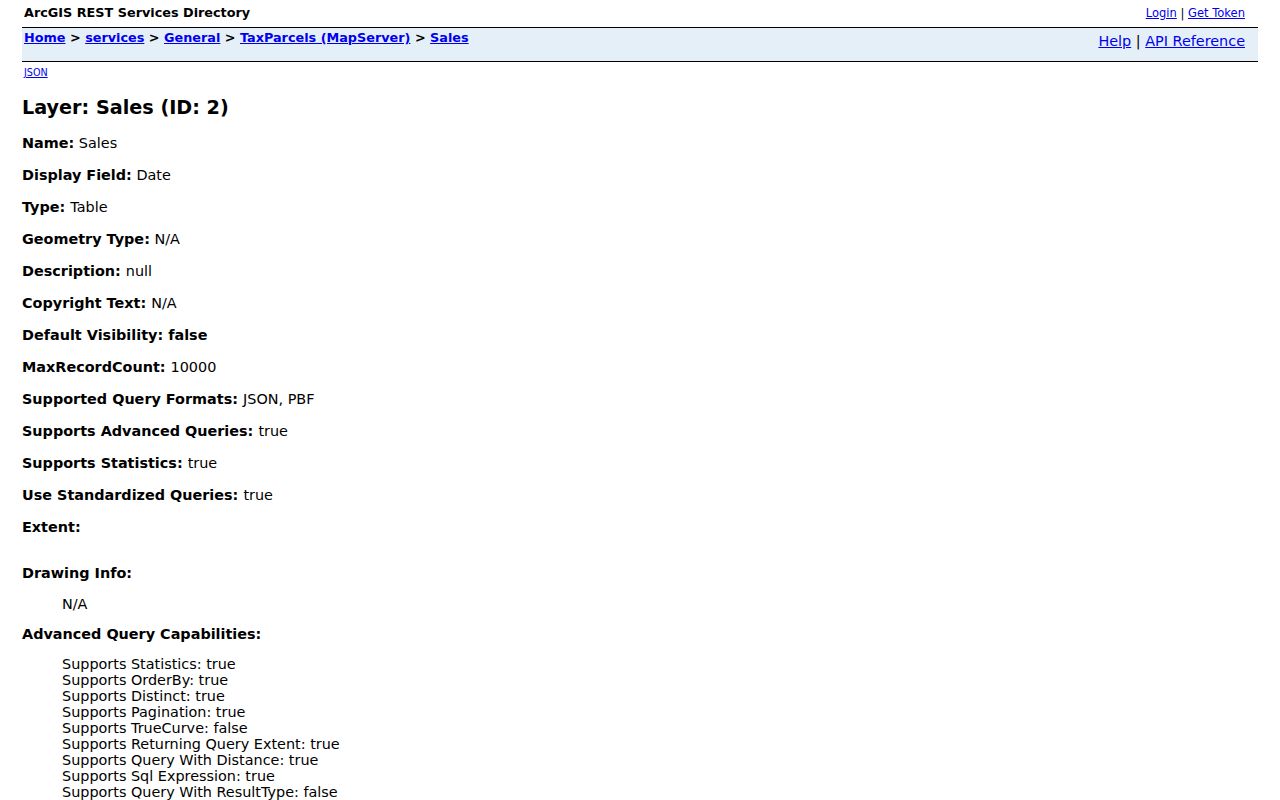
The fields reconcile sales and assessments, not the deed itself; they cannot replace the certified assessment either.
Appeal an Adams County Assessment
The DLGF appeal process runs through Form 130, an informal conference, PTABOA review, and possible Indiana Board review. The Adams County Assessor serves as PTABOA secretary. Deadlines follow the assessment notice. Filing dates depend on current law, so use the deadline printed on the Form 11 or other notice. Evidence should match the valuation date. Check age, grade, condition, land, improvements, classification, and comparable sales coded valid, keeping dated photos, measurements, and official records. A purchase price helps, but is not conclusive.
Appeal window. Follow the date on the current assessment notice and submit Form 130 through the proper county process. Do not rely on an undated summary.
Tax-sale notices run on a separate track. A printed notice alone does not show that a sale closed or that title passed to a buyer. Publication alone proves little. Confirm the live notice and Treasurer record. For value questions apart from billing, the Adams County property value page breaks down the value types.
A careful Adams County property tax review also checks the notice date, parcel status, and any inactive number. The 2025 county listing named 25 properties. A past list proves no present delinquency. Registration terms, minimum bids, statutory warnings, and business-entity requirements all belong to the dated sale notice itself. Later payment, redemption, court action, or correction can change the result.
Route each question to the right office. Billed amounts and receipts go to the Treasurer. Assessed characteristics and value belong to the Assessor. District, deduction, and certification details may involve the Auditor, so some questions touch more than one desk. The split matters in practice, because a valuation objection sent to the payment office never starts an assessment appeal, and the Assessor cannot produce a Treasurer receipt for a posted payment.
Indiana's public-record law opens another channel when an existing nonconfidential record is not posted. Inspection is generally free. Copy charges depend on the record and statute. A written mail or fax request carries a seven-day response or denial rule, not a universal production deadline. Describe the record, date range, parcel, and office narrowly. The Indiana Public Access Counselor can help if an APRA dispute stalls at the county level.
Date every lookup. Tax rates, bill status, deductions, sale lists, and owner displays all change. A saved screen does not update itself. A dated research log keeps later changes from looking like contradictions and gives county staff a precise result to review.